Infrastructure Due Diligence: The Make-or-Break Factor in MH Community Acquisitions
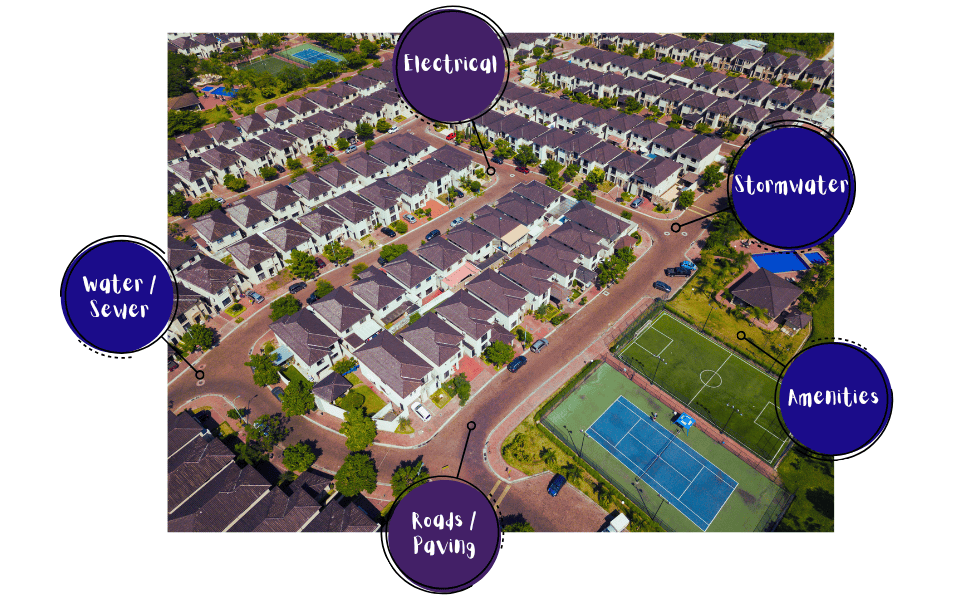
An owner-investor client recently asked us to evaluate a manufactured housing (MH) community they planned to acquire. On paper, it looked like a clean deal: strong occupancy, below‑market rents, and manageable deferred maintenance. But after two days on‑site, our infrastructure assessment added $1.2 million to the capital plan — costs the investment committee had not modeled.
The deal still made sense, but only because the buyer learned the truth before closing. Had these issues surfaced afterward, the return profile would have been severely compromised. This scenario is common in MH acquisitions, where infrastructure is both the foundation of value and the most misunderstood component of due diligence.
Why Infrastructure Matters More in Manufactured Housing
In conventional multifamily, investors evaluate building systems — HVAC, roofs, plumbing, electrical. Important, yes, but predictable. In MH communities, residents typically own their homes. Investors own the land, utilities, and amenities. That changes everything.
- You own the roads and utilities. Every water line, sewer connection, electrical pedestal, and road is your responsibility. When they fail, you pay.
- Infrastructure drives operations. Undersized electrical systems limit the ability to attract newer homes. Failing sewer systems trigger regulatory scrutiny and resident dissatisfaction.
- Replacement costs are substantial. Replacing a private sewer system or upgrading electrical service for hundreds of sites can cost seven figures.
- Regulatory exposure increases with age. Environmental and stormwater regulations have tightened dramatically, and older systems often fall short.
In MH communities, infrastructure isn’t a line item — it’s the backbone of the investment.
The Most Common (and Expensive) Surprises
After dozens of MH due diligence and capital planning engagements, we see the same patterns emerge:
Electrical Infrastructure: Often the biggest hidden risk. Many communities were built when homes required far less power. Modern homes need 200‑amp service, but older pedestals may only support 50–100 amps. Transformers may be undersized or near failure. Cost range: $500K–$2M+ for a 200‑site community.
Water & Sewer Systems: Private wells, pumps, and septic systems require ongoing maintenance and often need full replacement. Failures can trigger health violations or forced upgrades. Cost range: $800K–$2M+ depending on system type and regulatory requirements.
Stormwater Management: Older communities often lack adequate drainage. New regulations may require detention ponds, filtration systems, or major regrading. Cost range: $200K–$800K.
Roads & Paving: Road replacement is disruptive and expensive — and often reveals underlying drainage issues. Cost range: $500K–$1M+.
The Over‑Engineering Trap
Once owners discover infrastructure issues, many turn to civil engineers — who often design to municipal standards, not private community needs. This leads to:
- Over‑specified materials
- Unnecessary complexity
- Longer timelines
- Inflated capital costs
We routinely identify 25–40% savings by right‑sizing solutions for private communities while still meeting all regulatory requirements.
A Due Diligence Process That Actually Works
Effective MH due diligence and capital planning should include:
- Pre‑Contract Review: Site plans, maintenance records, inspection reports, regulatory correspondence, and capital history.
- Physical Inspection: Evaluate pedestals, drainage, sewer indicators, road conditions, and compliance issues — with someone who knows MH systems.
- Engineering Assessment: Targeted load calculations, water/sewer evaluations, and stormwater reviews where needed.
- Regulatory Research: Understand zoning, compliance requirements, pending changes, and expansion potential.
- Capital Planning: Realistic cost estimates, contingencies, phasing strategies, and return modeling.
Making the Investment Decision
The goal isn’t to kill deals — it’s to price them correctly. With proper due diligence and capital planning, investors:
- Renegotiate purchase price
- Adjust underwriting
- Phase improvements to protect cash flow
- Identify value‑creation opportunities
One client acquired a community with aging infrastructure but strong fundamentals. We built a phased capital plan prioritizing critical systems while preserving cash flow. Three years later, improved infrastructure and amenities supported significantly higher rents and a stronger valuation at refinance.
Navigating Infrastructure Risk with Confidence
As institutional capital continues flowing into manufactured housing, infrastructure due diligence will increasingly separate successful investments from disappointing ones. The communities with well-maintained, properly sized infrastructure will command premium valuations. Those with deferred maintenance and aging systems will face mounting capital requirements and operational challenges.
For investors entering this space, the lesson is clear: invest the time and resources to truly understand infrastructure conditions before you acquire. The few thousand dollars spent on thorough due diligence can save you millions in unexpected capital costs—or help you negotiate a purchase price that reflects reality rather than hope.
The Value of Specialized Expertise
Manufactured housing continues to present compelling opportunities, but success depends on seeing beyond the surface. Traditional inspectors miss subtle infrastructure issues. Civil engineers over‑design. General consultants lack MH‑specific experience.
Investors need a partner who understands MH infrastructure, regulatory nuance, and cost‑effective solutions — and can translate technical findings into investment decisions.
That’s where Real Projectives’ specialized expertise makes the difference.
Contact our team to turn infrastructure due diligence and strategic capital planning into a competitive advantage.
