Part I The Four Types of Affordable Manufactured Housing
Affordable housing is a hot topic these days, given the current U.S. shortage. In this blog post, we will discuss the different types of affordable housing and in part two discuss the misconceptions surrounding them.
Currently, in the U.S., affordable housing is broken down into four main categories: manufactured housing, park model, modular housing, and tiny houses. While there are similarities between the four, there are some differences particularly in terms of construction coding, and standards.
Park Model Housing
The park model is based on standards administered and coordinated by the American National Standards Institute (ANSI) and established by the Recreational Vehicle Industry Association (RVIA). Park mobile manufacturers are expected to abide by them, according to the RVIA web site.
Similar to manufactured housing, park models involve a chassis and wheels. According to the website Simple Life, park model homes started out as seasonal homes or recreational getaways. As the standards and quality of the homes increased, they became an option for year-round living.
The site states that park models must be less than 399 square feet of living space (499 square feet in Florida). Like manufactured and modular housing, they are mostly built inside and offsite and are designed to exceed building standards. Since they are mobile they require registration, tags, and insurance.
Manufactured Housing
The 1976 Housing and Urban Development (HUD) Manufactured Home Construction and Safety Standard provided for what are now called manufactured homes; the only homes with a national standard.
The HUD “Code” includes design and construction, body and frame, thermal protection, plumbing, electrical, fire safety, energy efficiency, and other standards and requirements. It established a federally regulated national building code specifically for manufactured housing. Homes constructed in accordance with that code are exempt from local building codes and inspections while still subject to state laws, local land use, and zoning regulations.
Manufactured housing includes a chassis and wheels. Once a home arrives on site, the tongue and wheels are removed while the chassis remains. Most manufactured houses are gathered in communities with a focused clubhouse and frequent community activities. A lot of parks are owned by Mom and Pop businesses, though corporate investment is growing in these areas.
Modular Housing
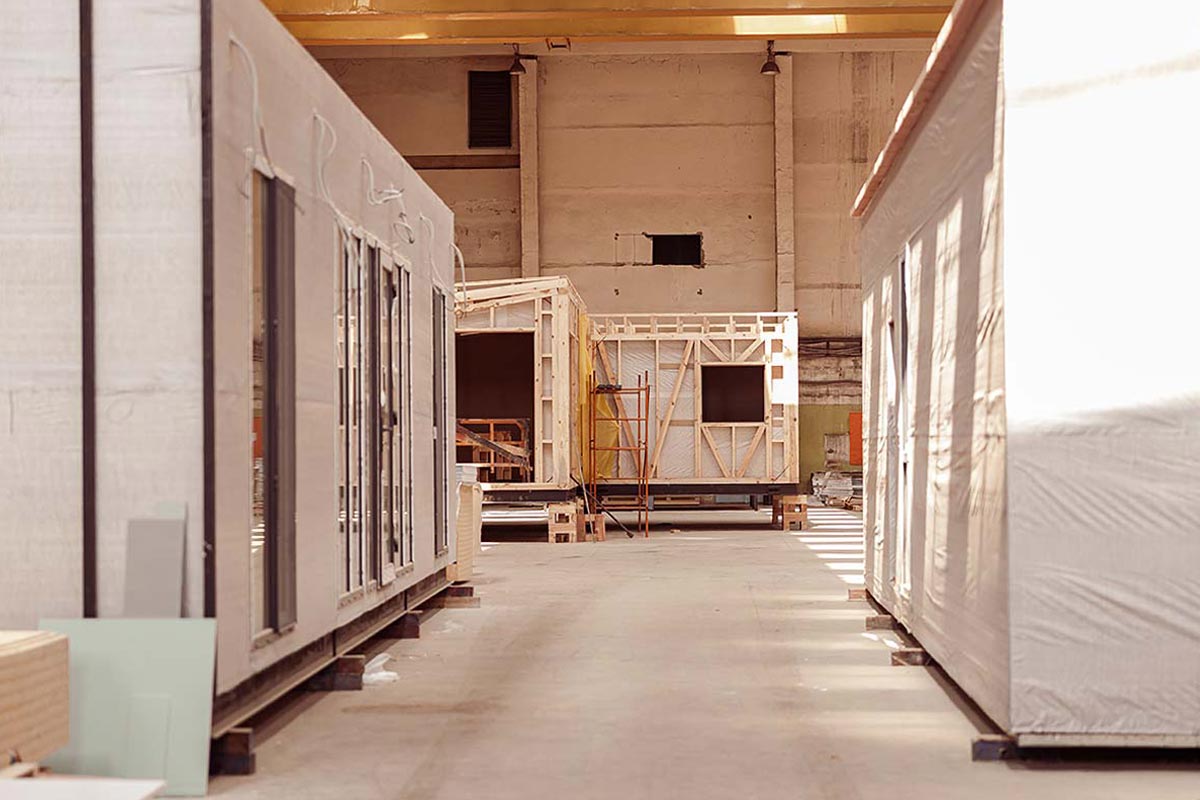
According to the website Next Modular, modular houses are factory-built, like park homes and manufactured housing, but they are not mobile. According to the site, they are still “stick-built” and are also known as prefabricated homes. And from our own experience, modular construction is not limited to single family houses. We’ve worked on multi-family housing and apartment projects, particularly in urban settings, that were all modular projects. And while the components of a modular house are 80%-90% completed in a factory, the parts are all shipped by truck to the construction site and then assembled on site.
In terms of regulations, modular housing must meet all local and state building codes that regular “stick-built” construction meets. Obviously, all that must be completed in the factory as the components are being put together. Once a home is completed they must also be inspected by local inspectors, according to Next Modular.
Tiny Houses
According to dengarden.com, the International Code Council (ICC) defines tiny houses as living spaces that are 400 square feet in area or less, excluding lofts. They can be mobile, but they do not have to be.
There are a few reasons someone would choose to live in a tiny house, possibly because it’s more affordable or because a person wants to live a more sustainable lifestyle, according to dengarden.com. However, something to keep in mind is that these houses are not regulated the same way manufactured housing is: there are no federal standards. You must check the laws and regulations in your state to see what requirements your tiny house must meet to be legal.
Join us for the next part of this series as we pursue the misconceptions around manufactured housing.
If you’re planning a new manufactured housing, modular construction, real estate development or renovation construction project, we’d love to discuss the risks and options to help you overcome some of the challenges. Contact us today or call us at 888.357.7342 to discuss how leveraging our knowledge, expertise, and ambition could drive your next project or portfolio to success.